
I was in Paris conducting research for a market feature when I noticed something unusual: a line of individuals gathered before an ATM that didn't fit ordinary morning banking patterns. Not because of the group's size — roughly fifteen people — but their demographic. Almost all appeared to be between 25 and 28 years old. Nobody seemed frustrated by the queue. They were greeting each other, chatting calmly, and several were comparing screens on their phones, as if tracking live market data together.
I stepped closer and asked the young woman nearest to me — referred to here as Lucía, 27, an independent digital designer — whether she was waiting to withdraw her standard payroll. She looked up with a knowing smile: "Not at all. I'm just withdrawing extra cash. My regular salary stays untouched in my bank account."
I posed the same question to the young man ahead of her. His answer was virtually identical. It became clear this wasn't accidental foot traffic: they knew each other, were present for the same shared objective, and that purpose was completely unrelated to their traditional employment.
 Collaborative analysis session: evaluating live data streams and algorithmic trade execution parameters.
“We meet up here almost by chance, but this is already the third time”
I spoke with five individuals in the group. Average age: 26. The cohort included corporate employees, freelancers, and two postgraduate students working part-time. None held formal financial credentials or institutional trading background. Their common link started several months prior through a mutual contact, whom we will refer to as Javier, 26.
"I was the first in our circle," Javier explained while holding his place in line. "I came across this platform, tested it out, and once I observed preliminary trade executions, I shared my notes with a few close friends. I didn't try to pitch anyone: I simply showed them my dashboard logs. Each person decided independently whether they wanted to test it."
I asked how many people he had introduced directly or indirectly. He paused before answering: "Of those here today, nearly all of them. But others tested it and stopped, or experienced losing trades and chose not to continue. Algorithmic software isn't suitable for everyone."
What stands out is not exaggerated hype, but their deliberate restraint. Nobody mentions overnight wealth or uses words like "easy money." When I asked Daniel, 25, a logistics coordinator, what amount he intended to withdraw, he answered without hesitation: "Only the supplementary proceeds accumulated over the past weeks. I never touch the initial base deposit until I fully understand how market fluctuations impact net balance."
"I wanted a tool that didn't require sitting in front of multi-monitor candlestick charts all day. I started with $350 AUD, the minimum entry suggested by the system, fully aware that all algorithmic exposure carries risk of total loss."
The system they all reference is Alumia AI. According to promotional whitepapers, the application utilizes algorithmic machine learning to scan market liquidity and identify short-duration execution windows. Users configure individual parameters and risk profiles; thereafter, the platform assists in processing automated market orders.
FEATURED PLATFORM
What is Alumia AI?
The first weeks, trade after trade
Javier emphasized starting conservatively, reviewing his portfolio daily. Below are illustrative examples of trade logs: these figures serve as descriptive models and do not represent guaranteed returns or real-time quotes.
"Losing trades definitely happen," he added. "That's why I never treat this balance as fixed payroll, nor do I blindly scale up just because a few consecutive sessions closed in the green."
ILLUSTRATIVE OUTCOME REFERENCED IN EDITORIAL ACCOUNT
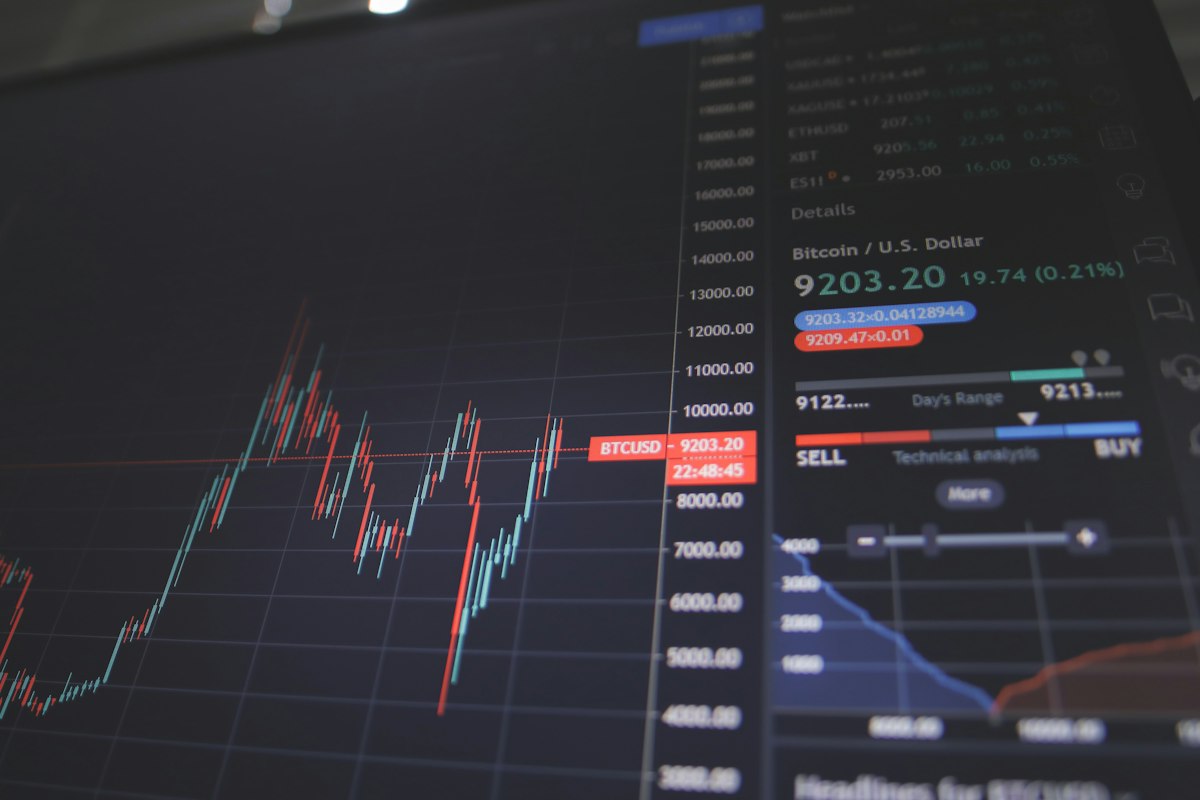
From $350 AUD to an illustrative balance between $5,800 AUD and $7,000 AUD in 5 to 6 weeks
Before the group dispersed, I asked Javier one final question: why congregate around the identical terminal at the exact same hour? He chuckled. "Total coincidence, honestly. We laughed about it on WhatsApp shortly afterwards."
He continued on a more measured note: "In a sense, it's understandable. We're running similar parameter sets, saw comparable milestone figures over the past month, and wanted to confirm physical payout verification firsthand. Not to spend it rashly, but simply to verify terminal liquidity."
ALUMIA AI
Would you like to explore how this service works?
Prior to making financial commitments, independently verify operator registration, commission schedules, withdrawal protocols, and inherent volatility risks.
How the onboarding process is presented
- 1Information Request. In promotional material, prospective users submit contact details through an encrypted briefing form.
- 2Due Diligence Verification. Before depositing capital, users review broker licensing, fee disclosures, withdrawal criteria, and statutory terms.
- 3System Configuration. Users select execution limits and retain complete discretion over subsequent account activity.
- Never allocate funds necessary for core living costs, rent, healthcare, or emergency reserves.
- Verify corporate entity registration and authorizations with regulatory authorities (e.g. ASIC in Australia).
- Scrutinize terms governing deposits, withdrawals, platform fees, and execution latency.
- Historical backtesting or individual case studies do not guarantee future market outcomes.
- Consult formal investor education resources provided by the Australian Securities and Investments Commission (ASIC).
ADDITIONAL RESEARCH
Evaluate trading platforms with verifiable data
Submit a formal enquiry to receive our independent research desk's briefing dossier on platform verification and operational safeguards.
High-risk activity: capital loss is possible across all algorithmic markets.